From Python to APIs,
AI Agents and Digital Twins
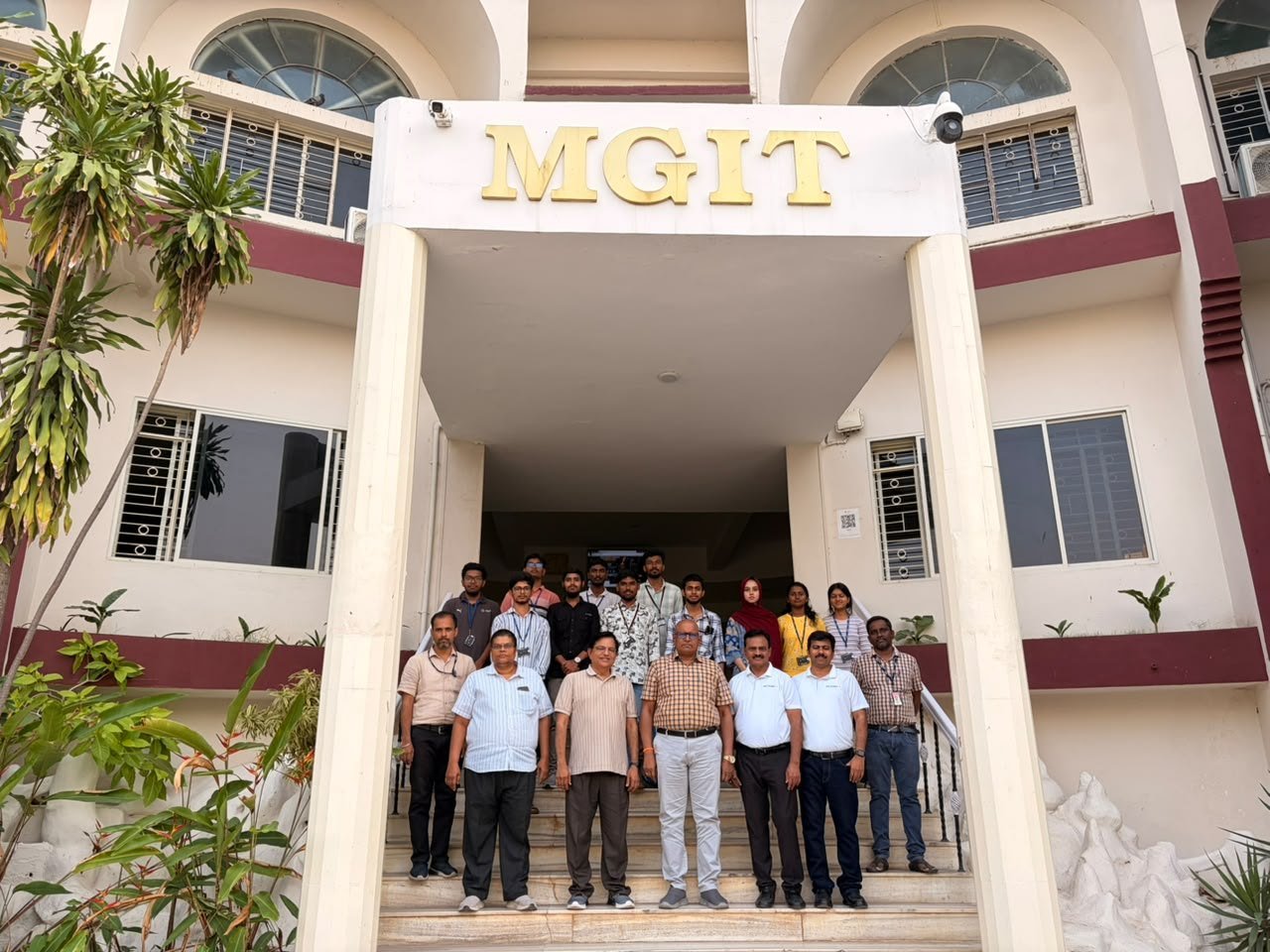
A five-day hands-on workshop by ACTORYX at the MGIT Centre of Excellence in AI. Students built one working system, layer by layer, on real campus energy data.
The Workshop
Every session added a layer to the same project, the Campus Energy Monitor. It follows the college's 630 kVA transformer and a 500 kWp rooftop solar plant using two months of 15-minute readings, so every exercise started from a real request from the campus maintenance team.
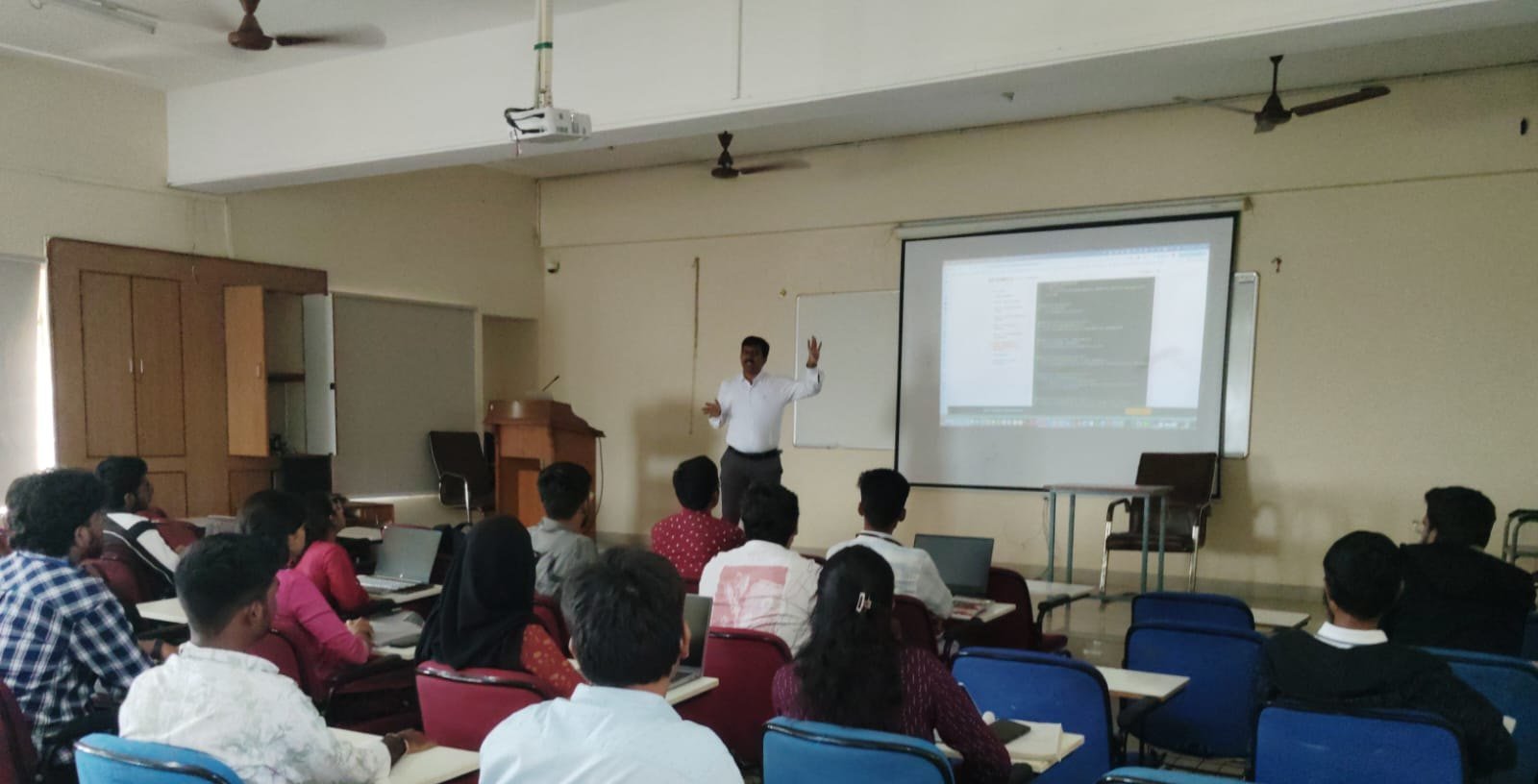
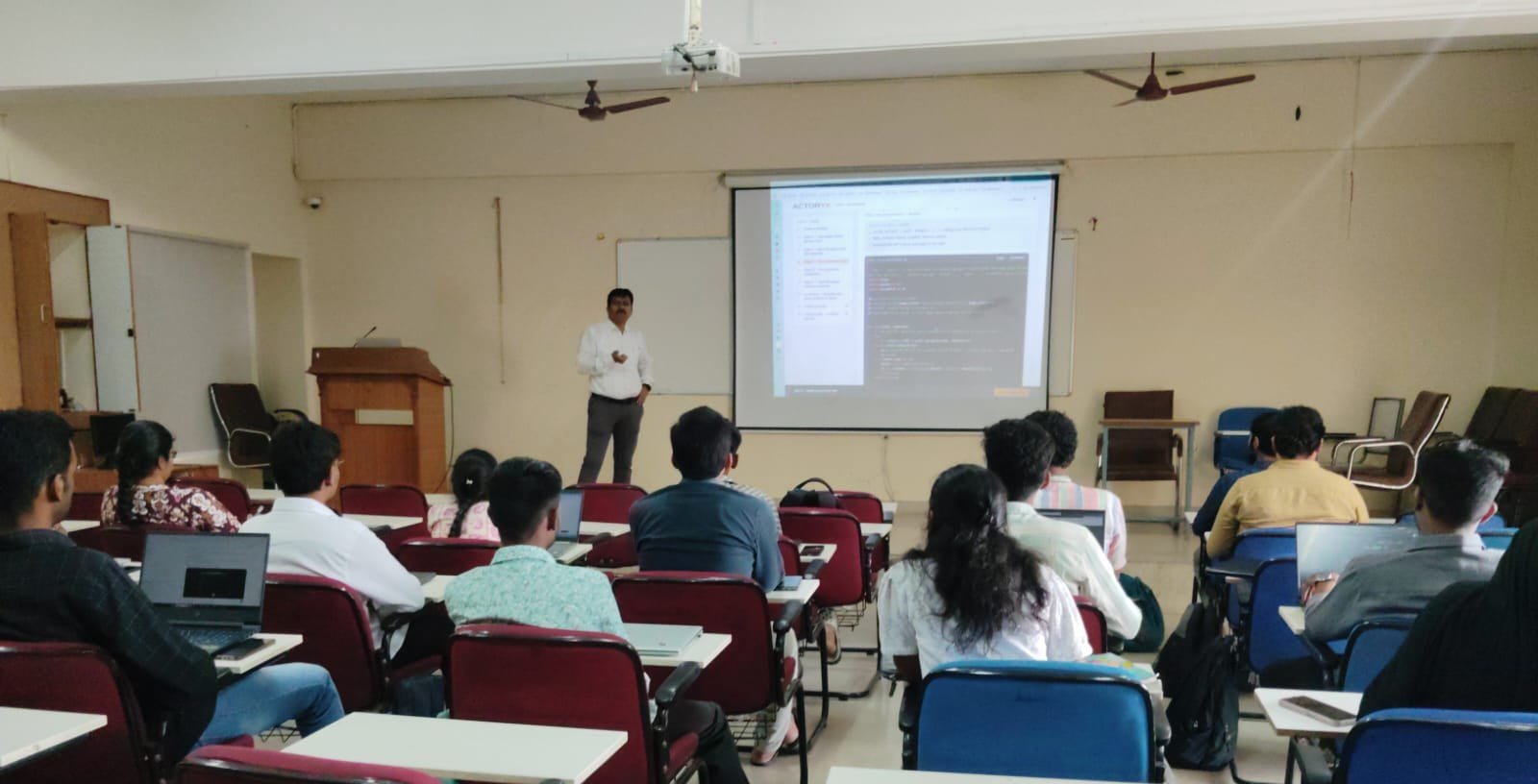
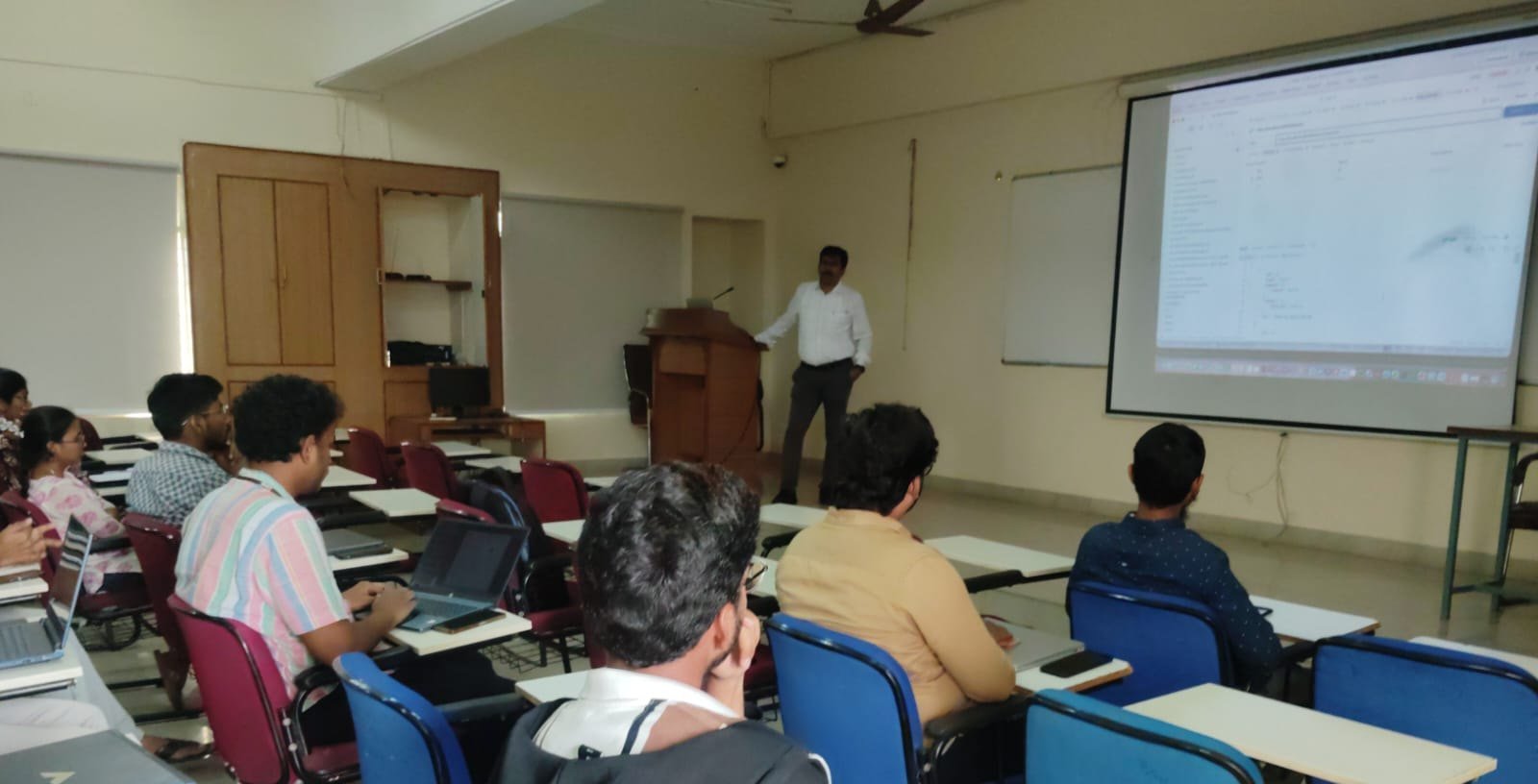
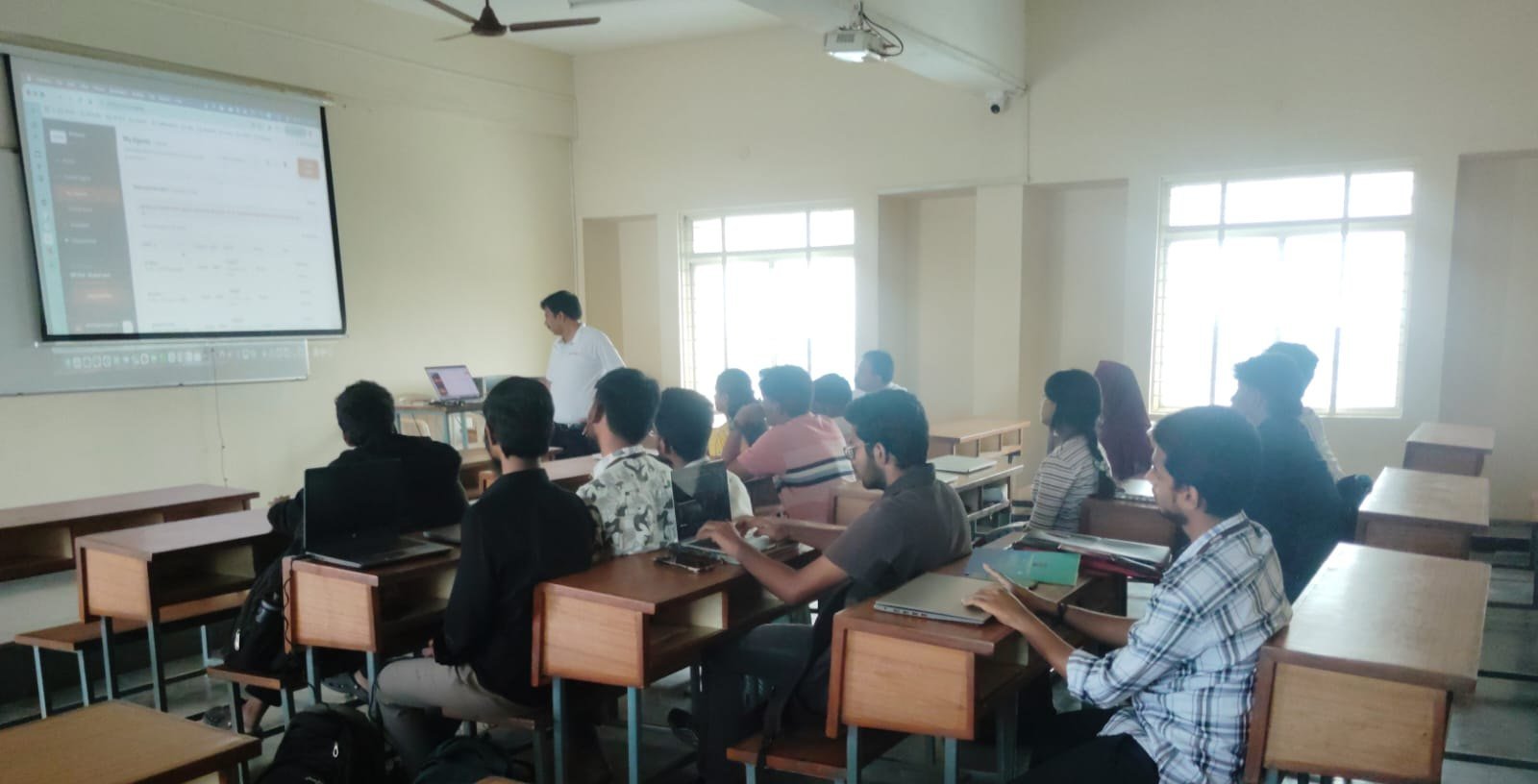
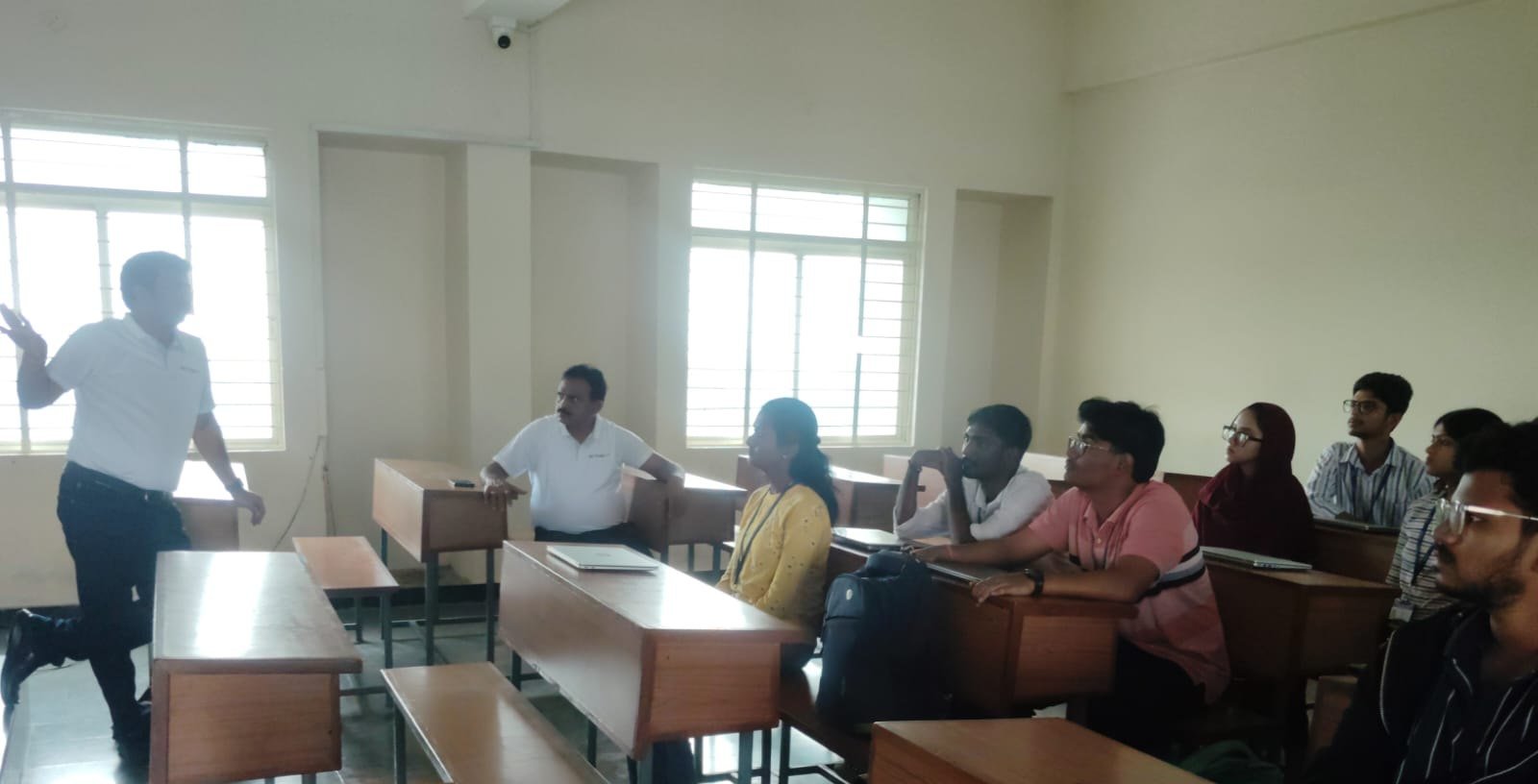
Each session followed the same rhythm: a real use case, solution design, code, run, a short assessment and a guided task. Every day also included an open discussion of real industry use cases and a Q&A with the trainers. Participants followed live on their own laptops, and by Friday every student had an API on the internet, a database, a dashboard, an AI model that explains data, and an AI agent they built and understood.
The workshop was delivered by ACTORYX with the Centre of Excellence in AI at MGIT, created under our MGIT MOU.
Day by Day
Every day combined live building with a real use-case discussion, a presentation and Q&A, and ended with something students could run, share and show.
Functions become web endpoints with JSON, input validation and GET, POST, PUT and DELETE, then go live on Hugging Face Spaces.
Tables, keys and SQL. 5,664 real sensor readings loaded into a database behind the API, with history, readings and daily summaries.
A calculator page and an operations dashboard that only call the API, keeping logic out of the front end.
How LLMs work and fail. Extract, then compute: code makes the verdict, the model writes, and code checks every number.
The agent loop, constrained tool use, guardrails and evaluation. The same tools then exposed to any AI application through the Model Context Protocol.
A physics model that computes the winding hot-spot temperature no meter measures, with what-if analysis, and a team-built operator's assistant.
Our Approach
Code computes. The model explains. Code verifies.
The rule for the whole week. On Day 4 students watched a language model get only 1 of 5 electricity bills right, and once call a 67% day "overloaded". So in their own APIs, code makes every calculation and verdict, the model only writes the explanation, and a check catches any number the model invents.
The same principle carried into Day 5: agents choose from a fixed set of tools, show their evidence, and decline what they cannot answer.
Outcomes
Working code, a public link and source files for their portfolio, built with free tools that run on their own laptops.
FastAPI service with validation and free interactive docs
A public link on Hugging Face Spaces, secrets kept out of code
SQLite and SQLAlchemy: history, summaries, peak days
Dashboards that call their own API
LLM explanations with a code verdict and a number check
Tool-using agents, guardrails, and tools any AI app can discover
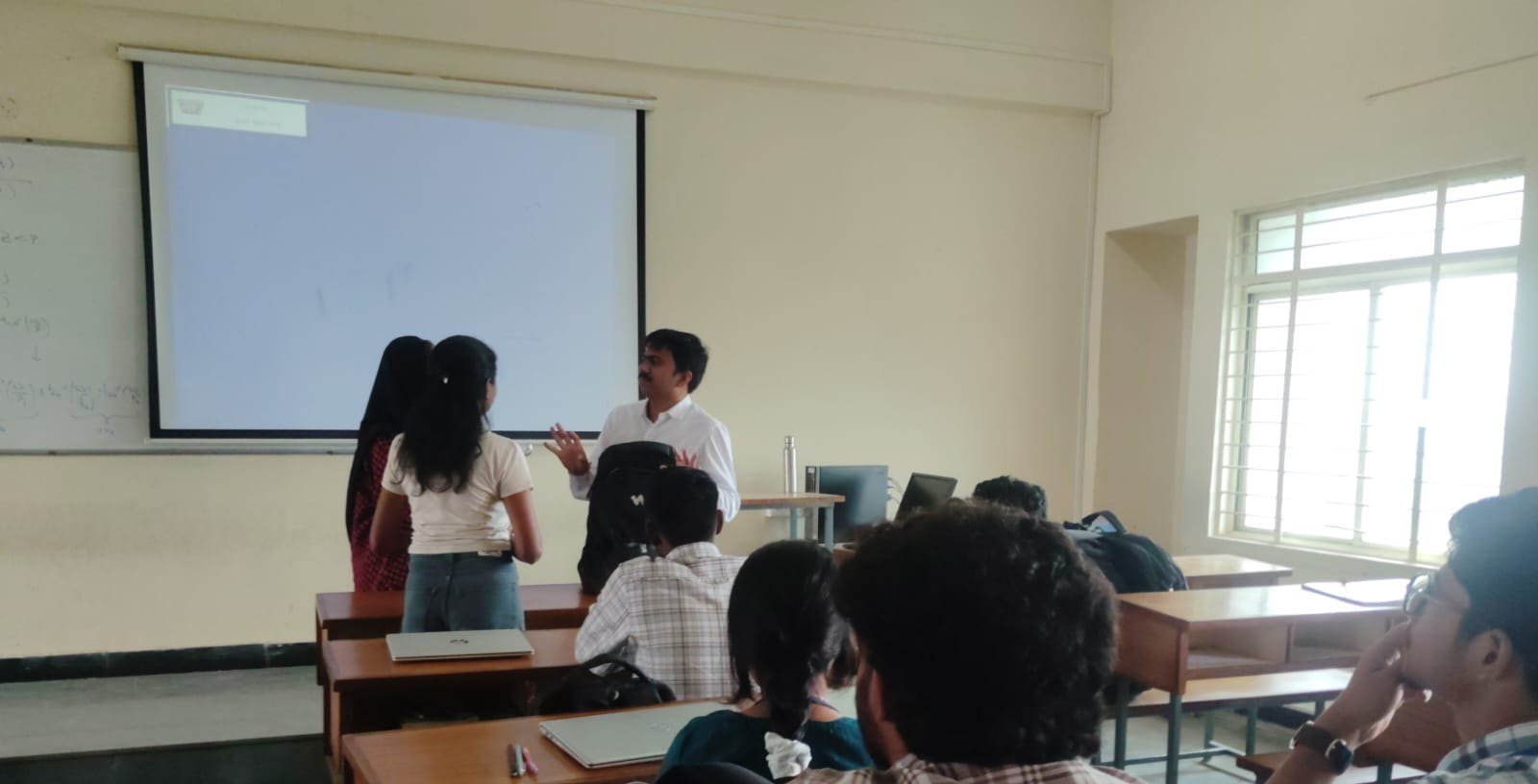
In the Classroom


Real Use Cases · Discussion · Q&A
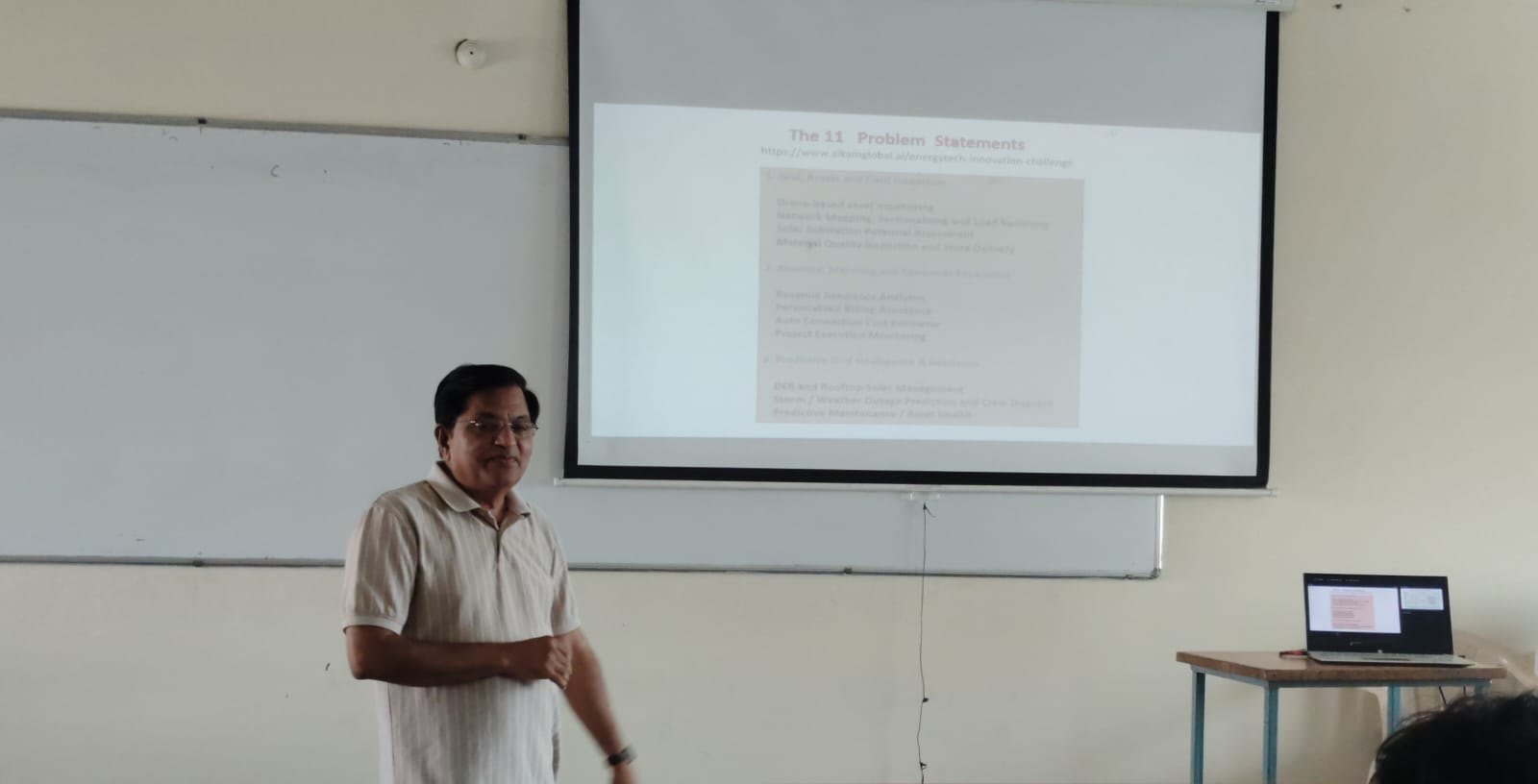
Alongside the hands-on coding, each day included presentations on real industry use cases, open discussion and Q&A with the students. The week closed on Saturday 31 October with a presentation and discussion on real problem statements from the EnergyTech Innovation Challenge, covering grid, asset and field inspection and predictive grid intelligence: the kind of problems an API, an agent or a digital twin can start to solve.
What's Next
The digital twin and team-project bonus module continues self-paced, followed by project reviews. ACTORYX and MGIT will continue to offer applied programs in AI agents and digital twins for engineering students.
Bring a Program to Your Institution